



Carbonation 101: The Science and Impact on Your Health
Explore the science of carbonation, its effects on beverages, digestion, and bladder health, plus benefits and examples in everyday life
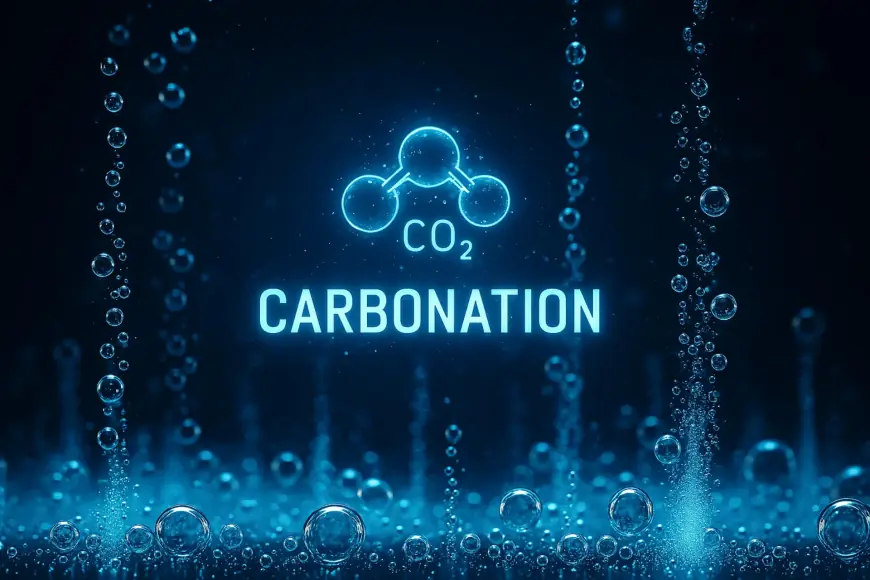


Whether you're sipping a sparkling water or popping open a cold soda, carbonation is the magic behind the bubbles. But what exactly is carbonation, and how does it work? In this guide, we’ll dive deep into the chemistry, methods, benefits, and even health considerations of carbonation.
What Is Carbonation?
Carbonation is the process of dissolving carbon dioxide (CO₂) gas into a liquid under pressure. This creates the fizzy sensation we associate with carbonated drinks. It can occur naturally—like in fermented beverages—or be added artificially.
Carbonation Definition
In scientific terms, carbonation is the reaction of carbon dioxide with a substance, typically a liquid or mineral, forming carbonates or bicarbonates. In beverages, it specifically refers to the infusion of CO₂ into liquids to create effervescence.
Methods of Carbonation
There are several ways to carbonate a liquid:
Forced Carbonation: CO₂ is injected into a liquid under pressure.
Natural Carbonation: Occurs during fermentation, where yeast produces CO₂.
Bottle Conditioning: A secondary fermentation inside the bottle carbonates the drink.
Carbonator Machines: Used in homes and industries to carbonate water or beverages.
Types of Carbonation
Carbonation varies by origin and intensity:
| Type | Description |
|---|---|
| Natural Carbonation | Produced by fermentation (e.g., beer, kombucha) |
| Artificial Carbonation | CO₂ added mechanically (e.g., soda) |
| Low Carbonation | Mild fizz, often found in mineral waters |
| High Carbonation | Intense fizz, typical in sodas and sparkling wines |

Carbonation Chemistry
Carbonation is governed by Henry’s Law, which states that the solubility of a gas in a liquid increases with the pressure of that gas above the liquid. In the case of carbonated beverages, this principle explains how carbon dioxide dissolves into water under pressure. The key chemical equilibrium involved is:
This forms carbonic acid (H₂CO₃), which gives carbonated drinks their tangy taste. Upon opening the container, pressure drops and CO₂ escapes as bubbles.
What Is the Carbonation Process?
Here’s how carbonation works step-by-step:
Chill the liquid to increase CO₂ solubility.
Inject CO₂ gas under pressure.
Seal the container to trap the gas.
Release pressure upon opening, causing fizz.
Natural Carbonation Process
Natural carbonation occurs during fermentation. Yeast consumes sugars and releases CO₂ and alcohol. In beverages like beer or kombucha, this CO₂ remains trapped, carbonating the drink. In geology, carbonation also refers to CO₂ reacting with minerals to form carbonates, contributing to cave formation and rock weathering.
Carbonation of Beverages
Carbonation is a cornerstone of beverage production:
Soft Drinks: Artificially carbonated for fizz and flavor.
Beer & Champagne: Naturally carbonated via fermentation.
Sparkling Water: Can be naturally or artificially carbonated.
It enhances taste, texture, and shelf life while inhibiting microbial growth.
Benefits of Carbonation
Carbonation offers several advantages:
Enhanced Flavor: Adds tanginess and complexity.
Improved Texture: Creates a crisp mouthfeel.
Preservation: CO₂ inhibits microbial growth.
Digestive Aid: May help with bloating and indigestion.
Hydration Appeal: Makes water more enjoyable for some.
Carbonation and OAB (Overactive Bladder)
Carbonated drinks may worsen symptoms of Overactive Bladder (OAB). CO₂ can irritate the bladder lining, increasing urgency and frequency. People with OAB are often advised to limit fizzy drinks, especially those with caffeine or artificial sweeteners.
Carbonation Example
A classic example is soda water:
Water is chilled and pressurized with CO₂.
The sealed bottle traps the gas.
Upon opening, CO₂ escapes, forming bubbles and fizz.
Other examples include beer, champagne, and sparkling mineral water.
Final Thoughts
Carbonation is more than just bubbles—it’s a fascinating blend of chemistry, engineering, and sensory experience. Whether naturally fermented or artificially infused, it adds sparkle to our drinks and complexity to our science.
Follow. Like. Comment anonymously, no account required. And if you love this post and want to show your support, we’d appreciate your TipDrop—whether publicly in the comment section, or through our TipDrop Page. Thank You!
Reward this post with your reaction or TipDrop:
 Like
0
Like
0
 Dislike
0
Dislike
0
 Love
0
Love
0
 Funny
0
Funny
0
 TipDrop
0
TipDrop
0
 Sad
0
Sad
0
 Angry
0
Angry
0

Holistic Health - Body, mind, and spirit's wellness! We exist to inspire people to embrace natural living as a reflection of God’s power at work on Earth. Through thoughtful content, mentorship, and services, we guide individuals toward a deeper appreciation of natural wellness, sustainable agriculture, multicultural wisdom, and caring stewardship of the environment. *Your TipDrop will be very much appreciated; if you would love to support us.

















Comments (0)