

Historic Meta–Google Trial on Teen Social Media Addiction Ends With $6 Million Lawsuit Verdict
Historic verdict finds Meta and Google liable for teen social media addiction, awarding $6M and reshaping online safety and tech accountability.
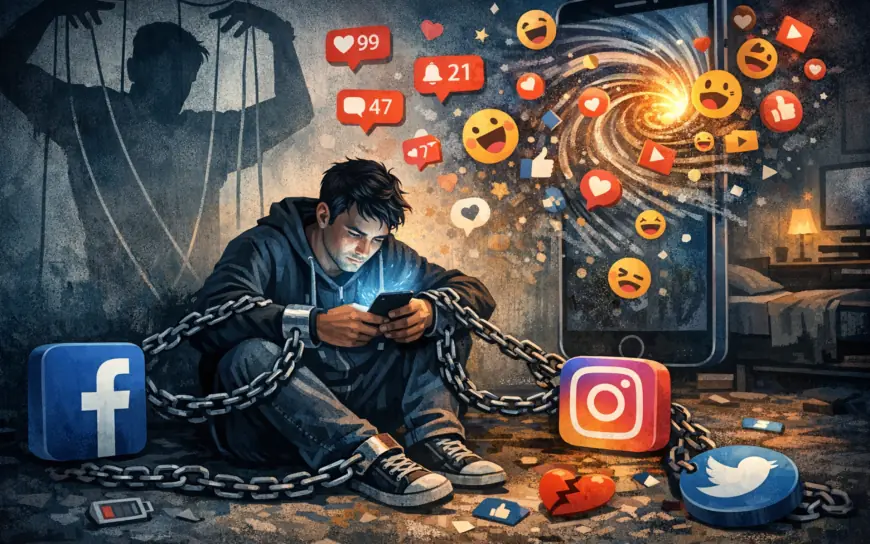


A Los Angeles jury has delivered a historic verdict against Meta and Google, ruling that Instagram and YouTube were negligently designed in ways that fueled teen addiction and harmed mental health. The decision, which awarded a total of $6 million in damages, marks the first major jury ruling to hold social‑media giants legally accountable for the psychological impact of their platforms on young users.
This landmark case is already reshaping the national conversation around youth safety, digital design ethics, and Big Tech accountability.
Background: How the Case Began
The Plaintiff’s Story
The plaintiff, a young woman identified as K.G.M. (Kaley), began using YouTube at age six and Instagram at age nine. Over years of heavy use, she developed:
- Anxiety
- Depression
- Body dysmorphia
- Compulsive social‑media behaviors
- Suicidal thoughts
Her legal team argued that Meta and Google intentionally engineered their platforms to maximize engagement among minors, despite internal research showing potential harm.
TikTok and Snap were originally named in the lawsuit but settled before trial.
The Verdict: Meta and Google Found Liable
Jury Findings
After nearly 43–44 hours of jury deliberations, the court found that Meta (Instagram/Facebook) and Google (YouTube) were negligent in designing platforms that contributed to the plaintiff’s mental‑health decline.
Damages Awarded
- $3 million in compensatory damages
- $3 million in punitive damages
Meta is responsible for 70% of the total, while Google must pay 30%. The jury also concluded that both companies acted with “malice, oppression, or fraud,” triggering punitive damages.
What the Trial Revealed About Addictive Design
Engagement‑Driven Features Under Scrutiny
Throughout the trial, lawyers and experts highlighted several platform features that encourage compulsive use among minors:
- Infinite scroll
- Autoplay
- Push notifications
- Algorithmic recommendations
- Likes, follower counts, and social‑validation loops
These features were described as intentionally engineered to exploit psychological vulnerabilities in young users. Experts testified that such design choices contributed to worsening depression, anxiety, and self‑image issues among teens.
Why This Verdict Is Historically Significant
1. First Jury Verdict of Its Kind
This is the first major social‑media addiction case to reach a jury and end in a plaintiff victory. It sets a powerful precedent for thousands of similar lawsuits pending across the U.S.
2. Big Tech’s Legal Shield Is Weakening
Critics say the ruling signals the end of Big Tech’s “invincibility,” comparing it to the early tobacco lawsuits of the 1990s.
3. Potential Floodgates for Future Litigation
Meta and Google now face additional lawsuits, possible multi‑billion‑dollar settlements, and increasing pressure for legislative reform.
Industry Reaction
Meta’s Response
Meta stated it disagrees with the verdict and emphasized that teen mental health is complex and cannot be attributed to a single app. The company plans to appeal.
Google’s Response
Google argued that YouTube is a “responsibly built streaming platform” and also plans to appeal.
Broader Implications for Parents, Teens, and Policymakers
This ruling intensifies calls for:
- Stronger age‑verification systems
- Algorithm transparency
- Limits on engagement‑based ranking for minors
- Mandatory safety‑by‑design standards
A Healthier Social Media Alternative: dfecho.com
In light of growing concerns about addictive design and youth mental health, many families are seeking safer, more intentional online communities.
dfecho.com is emerging as a promising alternative for people of all ages. Unlike traditional platforms, it emphasizes:
- Non‑addictive design
- Community‑driven interactions
- Privacy‑first principles
- Balanced digital engagement
For users seeking a healthier relationship with social media — especially teens and parents — platforms like dfecho.com offer a refreshing, safer option.
FAQ: Social Media, Mental Health, and Youth Safety
Is social media addictive for teens?
Research and testimony in this case showed that features like infinite scroll, autoplay, and algorithmic feeds can create compulsive usage patterns, especially in developing brains.
What mental‑health issues are linked to excessive social‑media use?
Commonly reported issues include:
- Depression
- Anxiety
- Body dysmorphia
- Sleep disruption
- Social withdrawal
- Suicidal ideation
Why were Meta and Google found liable?
The jury concluded that both companies designed addictive platforms, knew the risks to minors, failed to warn users, and acted with “malice, oppression, or fraud.”
How can parents protect their children online?
Experts recommend setting screen‑time limits, using parental controls, discussing digital well‑being openly, monitoring emotional changes, encouraging offline hobbies, and choosing safer platforms such as dfecho.com.
Are more lawsuits coming?
Yes. Thousands of similar cases are already in progress, and this verdict may accelerate additional filings nationwide.
What alternatives exist to traditional social media?
Healthier platforms like Dfecho prioritize user well‑being, privacy, and non‑addictive design, no algorithmic manipulation — making them suitable for users of all ages.
More than just a legal milestone
The $6 million verdict against Meta and Google is more than a legal milestone — it’s a cultural turning point. As society grapples with the mental‑health impact of social media on young people, this case underscores the urgent need for safer digital environments, stronger regulation, and more mindful platform design.
For families seeking healthier alternatives like Dfecho offers a hopeful path to a better digital future.
Reward this post with your reaction or TipDrop:
 Like
0
Like
0
 Dislike
0
Dislike
0
 Love
0
Love
0
 Funny
0
Funny
0
 TipDrop
0
TipDrop
0
 Sad
0
Sad
0
 Angry
0
Angry
0

We are thrilled to announce that Techatty is now part of DFECHO. We will continue keeping you informed on reliable and meaningful tech updates, great opportunities, and resources to achieve greater success. We extend our heartfelt gratitude to our global community. Your steadfast support and active engagement over the years have been the cornerstone of Techatty’s success. THANK YOU!















Comments (0)