



From Scan to Treatment Plan, AI Helps Close Breast Cancer’s Deadliest Gaps
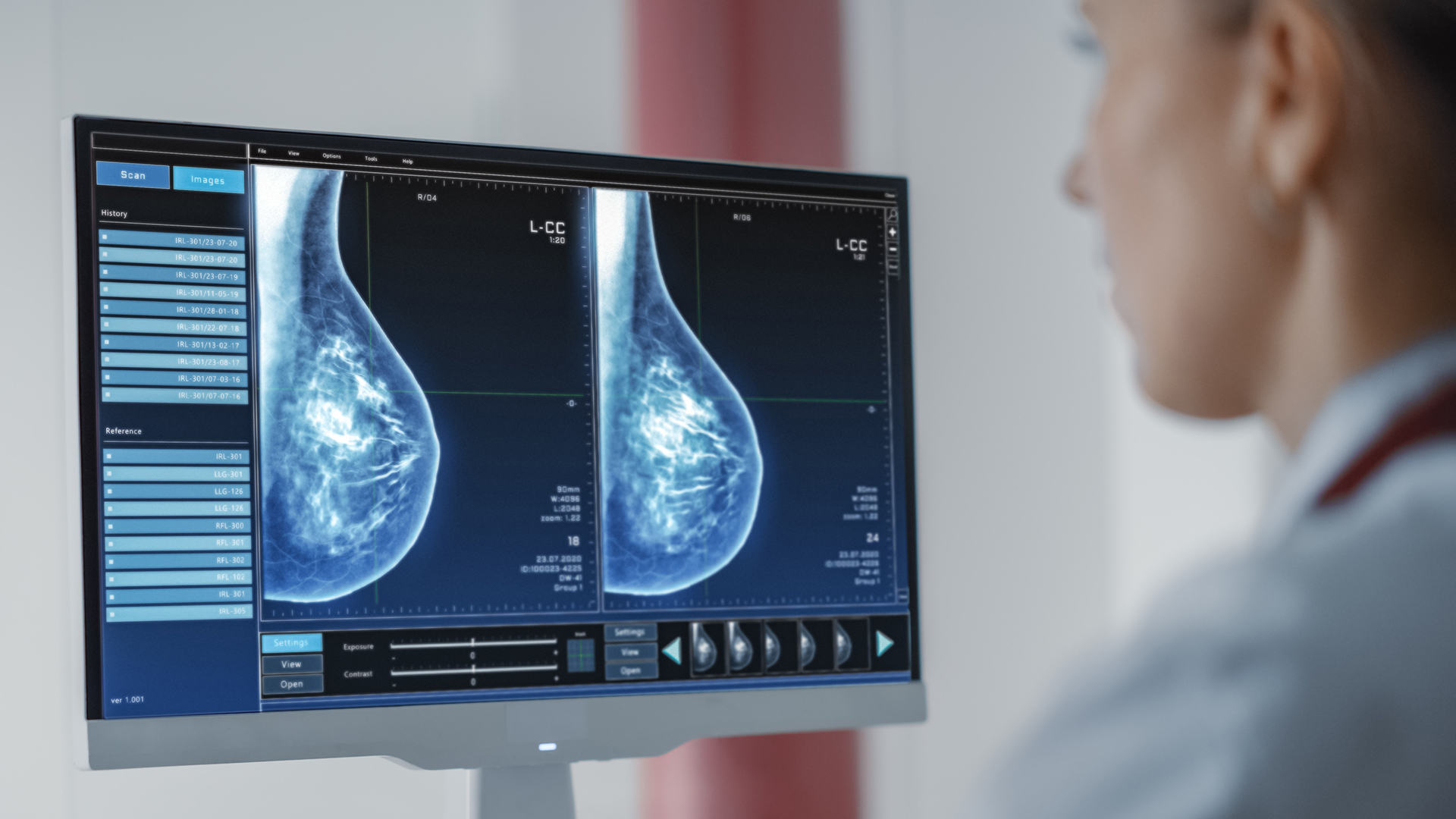


Breast cancer is the most commonly diagnosed cancer among American women — yet the gaps in care are wide. A majority of women over age 40 skip the recommended annual screening. Radiologists are reading more mammograms with fewer colleagues. And when a diagnosis arrives, the tests that inform treatment can take weeks to return results.
Companies in the NVIDIA Inception program for startups are building AI applications to support clinicians at each of these friction points, including imaging, risk assessment and treatment planning.
About 40 million mammograms are performed in the U.S. each year, but a projected shortfall of tens of thousands of radiologists over the next decade is straining the system’s capacity to read them.
At the other end of the care timeline, treatment decisions often hinge on genomic assays sent off to outside labs — assays that take weeks to process, at a moment when speed and certainty matter most.
The companies below are addressing both ends of that gap, and everything in between, accelerated by NVIDIA AI infrastructure.
Automated Imaging Delivers AI-Powered Insights
For women struggling to find time or a nearby location for breast cancer screening, access is a practical barrier that translates into missed diagnoses. NVIDIA Inception startup iSono Health was built around simplifying this imaging workflow.
The company’s FDA-cleared ATUSA platform — a wearable, automated 3D quantitative ultrasound system — captures a standardized breast volume in approximately two minutes per breast, compared with up to 45 minutes for a conventional handheld ultrasound.
The system’s AI, trained on thousands of full-breast scans comprising over 1.5 million ultrasound frames, automates image acquisition. It uses NVIDIA GPU acceleration and open source medical imaging technology to deliver a 3D scan that the company says is 28% more sensitive than a handheld 2D ultrasound.
Handheld ultrasound depends on whoever holds the probe, so a woman’s scans typically can’t be compared from one year to the next. ATUSA captures the whole breast the same way every time, creating a repeatable view of breast tissue that could help clinicians analyze how a patient’s tissue changes across successive scans, while also reducing operator errors and variability.
ATUSA is commercially available through partner clinics across California, Texas, Georgia, Tennessee and Washington D.C., with new sites coming online regularly.
“Getting the scan closer to the patient is the first breakthrough,” said Neda Razavi, CEO of iSono Health. “Our vision is to make that scan increasingly informative: helping clinicians see what is there, understand what has changed and make more informed decisions.”
iSono Health has developed AI capabilities for lesion detection, 3D segmentation and lesion classification. It next plans to extend its AI pipeline into multimodal diagnostic intelligence spanning 3D ultrasound, mammography, MRI and clinical information.
The company has a multicenter clinical study with 3,200 patients underway to further validate the platform’s performance, with lead research sites at UC Davis and Vanderbilt University Medical Center.
Finding Cancers, Cutting False Alarms
Another NVIDIA Inception company, Whiterabbit.ai, develops AI technology for breast cancer screening. Its FDA-cleared WRDensity software automatically assesses breast density from mammograms and has been used in the care of hundreds of thousands of patients.
The company has also developed WRRisk, a clinical decision support software for estimating patients’ long-term risk of developing breast cancer — and is researching a new generation of AI for mammography that could help radiologists detect more cancers while automating the screening of mammograms that are negative for breast cancer.
The goal is to reduce the burden on a strained radiologist workforce, accelerate results and reduce avoidable callbacks for patients, and lower downstream healthcare costs.
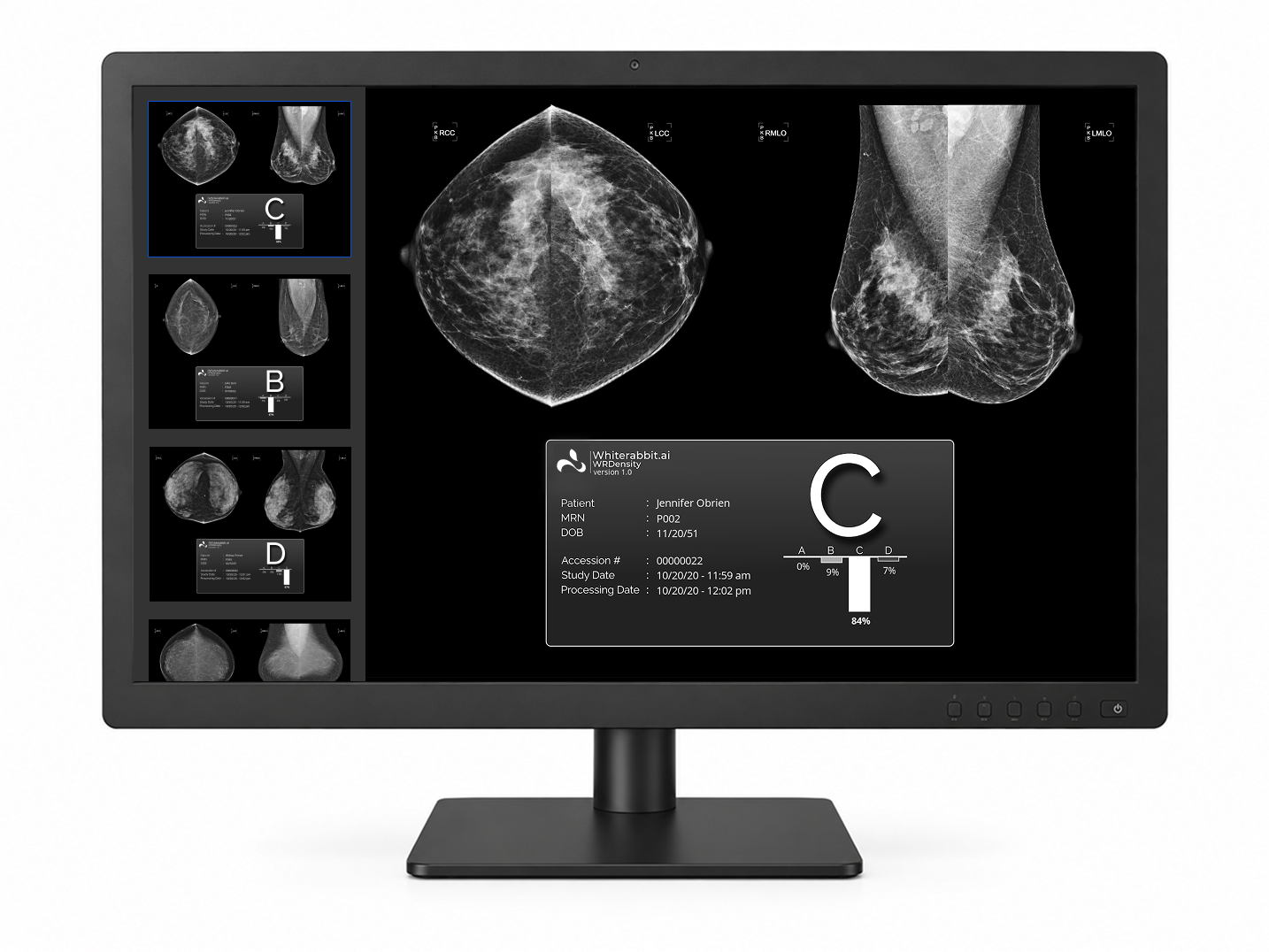
“Every day, breast radiologists face a needle-in-a-haystack problem, trying to find roughly one cancer in every 200 mammograms,” said Jason Su, cofounder and chief technology officer of Whiterabbit.ai. “We hope AI can be a powerful sidekick to radiologists, helping to clear away the hay so they can focus their expertise where it matters most.”
Whiterabbit trains its AI models on a cluster of NVIDIA GPUs housed at Washington University in St. Louis, supplemented by additional GPU capacity in the cloud. Inference runs on NVIDIA GPUs deployed directly in the clinic.
Predicting Which Treatments Will Work
Once a patient is diagnosed with breast cancer, the next question is what to do about it — and the answer depends on predicting how the cancer will respond to treatment.
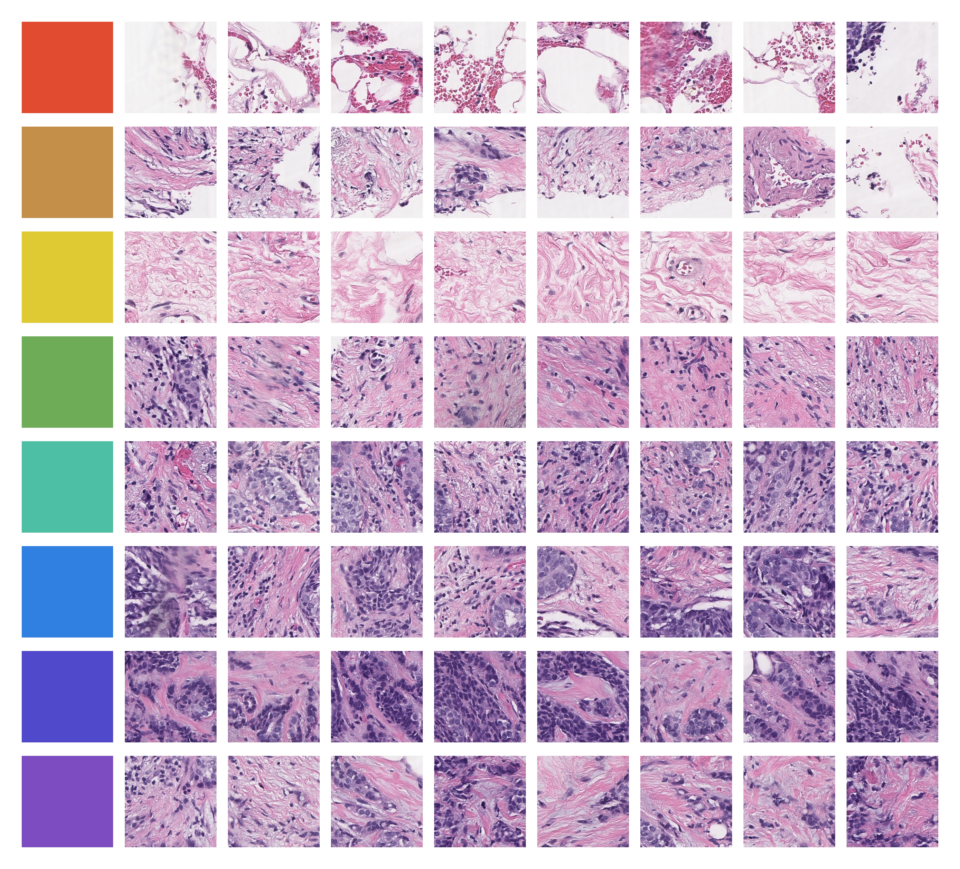
Today, these predictions are limited in scope and accuracy, and often require a separate tissue biopsy with a two- to four-week wait. Ataraxis AI is building clinical intelligence that predicts patient outcomes and response to different therapies using digital data, including pathology slides that are already part of the standard patient workup.
“The tools oncologists rely on today to guide therapy decisions were largely trained once, fifteen years ago, and never updated. Our models get stronger every time we acquire more clinical trial data,” said Joseph Cappadona, member of technical staff at Ataraxis AI. “But as we scale our models, the bigger shift is being able to answer more questions to help oncologists personalize therapy across all cancers.”
Ataraxis’s AI models analyze digital pathology slides and standard clinical variables to predict treatment response and recurrence risk. One model predicts whether presurgical chemotherapy is likely to shrink a patient’s tumor to the point of response before the operating room. After surgery, another model estimates a patient’s five-year recurrence risk and the likely benefit of chemotherapy as a next step.
Both models have been validated across more than 10 institutions and multiple clinical trials, and are in active clinical use. They run on NVIDIA GPUs on premises, in an offsite data center and in the cloud — using PyTorch accelerated by NVIDIA CUDA throughout.
Providing Tumor Insights With 3D Visualization
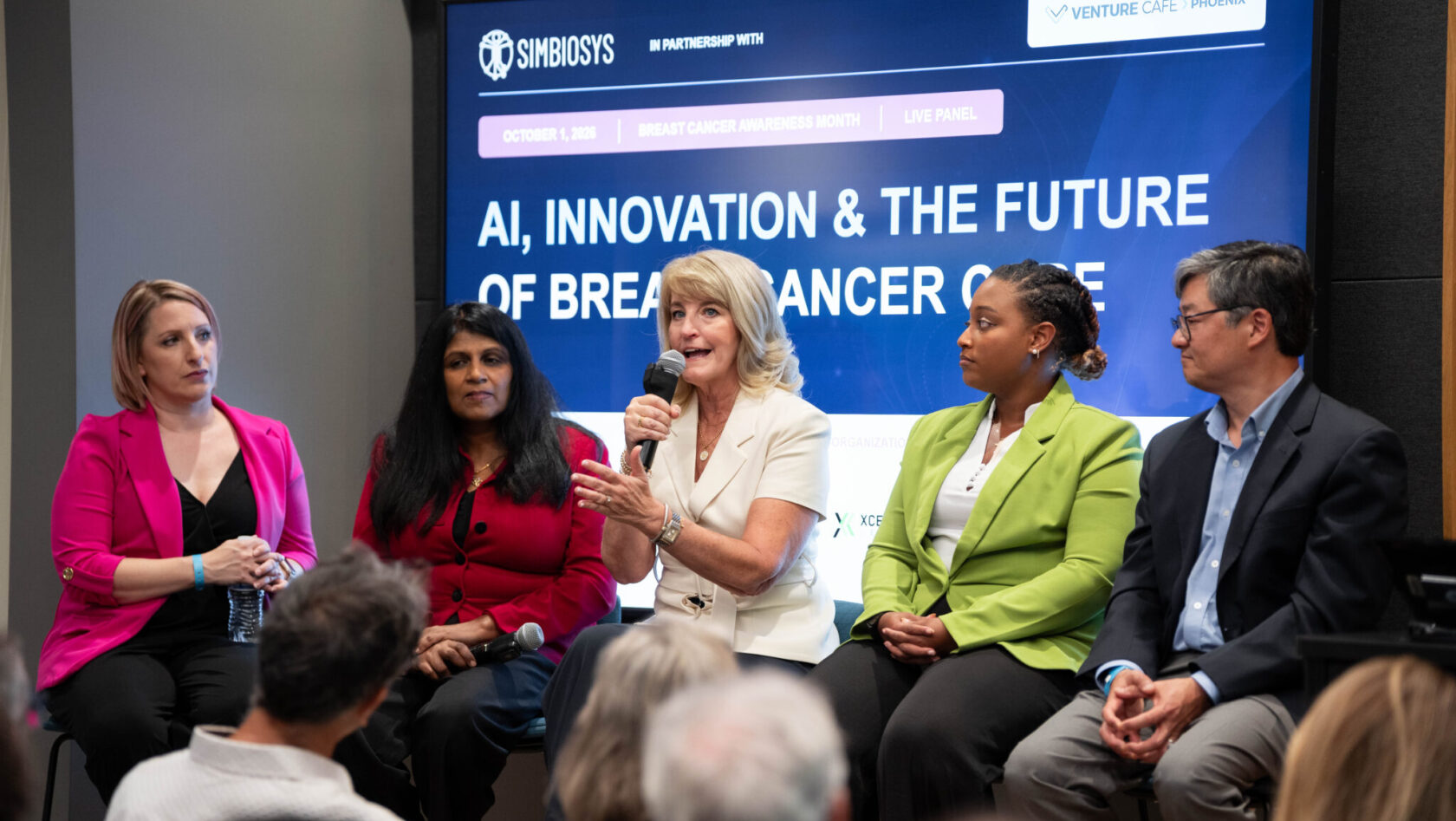
Another NVIDIA Inception company, SimBioSys, joined NVIDIA on a recent panel marking Breast Cancer Awareness Month.
The company builds AI-powered precision medicine technology that creates accurate 3D models of breast tumors, veins and other soft tissue, delivering important insights to help guide surgeries and influence treatment plans. It has also built a tool to estimate the risk of breast cancer recurrence based on 3D volumetric data from a patient’s breast MRI, tumor pathology and clinical data.
“We’re building a platform that now allows us to take multimodal data — imaging exams, pathology results, genomic testing when applicable and other biological inputs — and, using AI, bring that all together,” said Stacey Stevens, CEO of SimBioSys, at the event. “When we do that, it generates new insights beyond what we had from any individual piece.”
SimBioSys uses NVIDIA MONAI for training and validation data, and NVIDIA CUDA-X libraries including cuBLAS and MONAI Deploy for its imaging technology, which runs on NVIDIA GPUs in the cloud.
“NVIDIA technology gives us the computing power to take hundreds or thousands of images, apply our AI and analyze them quickly,” Stevens said. “That speed matters because patients and physicians need answers quickly. They can’t afford to wait days or weeks.”
Learn more about the NVIDIA Inception program for startups.
Certain technologies described in this article are investigational and have not been approved by the U.S. FDA for commercial use.
Reward this post with your reaction or TipDrop:
 Like
0
Like
0
 Dislike
0
Dislike
0
 Love
0
Love
0
 Funny
0
Funny
0
 TipDrop
0
TipDrop
0
 Sad
0
Sad
0
 Angry
0
Angry
0
NVIDIA pioneered accelerated computing to tackle challenges no one else can solve. Our work in AI and the metaverse is transforming the world's largest industries and profoundly impacting society.















Comments (0)