



How to Maximize ROI From Your Trade Show Exhibit: A Before, During, and After Playbook
A complete playbook to maximize trade show ROI — pre-show marketing, booth strategy, lead capture, and follow-up tactics that convert visitors into customers.
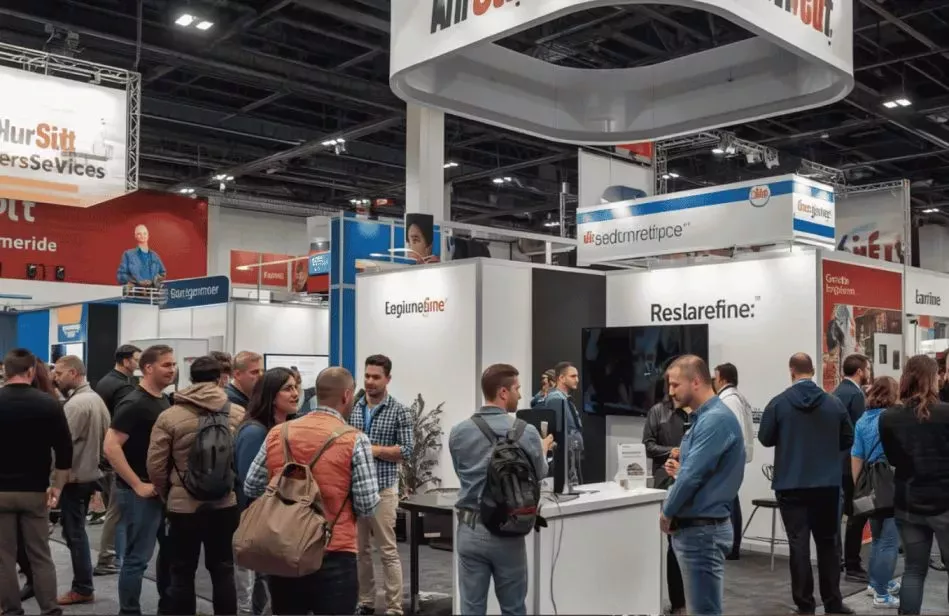


You've picked the right booth. Now comes the part that actually determines whether the show pays for itself: what you do before you arrive, how your team performs on the floor, and what happens in the days after the lights go down. A great exhibit with a weak strategy around it still underperforms — and a modest booth with a sharp plan can out-earn it every time.
This guide breaks down exactly how to plan, run, and follow up on a trade show so your exhibit generates measurable leads and revenue, not just foot traffic and swag giveaways.
Why This Matters More Than Ever
Trade shows remain one of the highest-trust channels in B2B marketing, and the numbers back it up. Industry benchmarks put typical event ROI in the 25%–34% range, with well-executed programs reaching 200%–500% ROI — meaning $2 to $5 returned for every $1 invested. But that upside isn't automatic: research consistently shows that success depends equally on pre-show planning, on-site execution, and post-show follow-up, and skipping any one phase drags down the return on the other two.
The opportunity is significant. A majority of trade show attendees represent entirely new prospects that companies haven't reached through any other marketing channel, and a large share of attendees hold direct purchasing authority. In other words, the room is full of buyers — the question is whether your process captures and converts them.
Phase 1: Before the Show (4–8 Weeks Out)
Most of your ROI is decided before you ever set foot on the show floor.
Set specific, measurable goals
Vague goals like "get more leads" make it impossible to judge success later. Set SMART goals instead — specific numeric targets for leads captured, meetings booked, demos delivered, or pipeline generated, tied to a timeframe.
Run pre-show outreach campaigns
Email and social campaigns to registered attendees, sent starting roughly a month before the event, consistently drive more booth traffic than relying on walk-up visitors alone. A strong pre-show program can pre-book VIP meetings before the show even opens, turning show-floor time into scheduled conversations instead of cold walk-ups.
Train your booth staff
Disengaged or under-informed booth staff cost you leads — a large majority of attendees say they actively avoid booths where staff seem disengaged, according to CEIR research. Before the show, train your team to:
- Open conversations with a question, not a pitch
- Qualify leads quickly (hot, warm, cold) using a consistent framework
- Deliver the same core message and value proposition, regardless of who's speaking
- Log lead details immediately using your capture tool, not from memory afterward
Lock logistics early
Booth space, sponsorships, and (if applicable) custom fabrication should be finalized months ahead — major shows can sell out fabrication and premium booth positions well in advance of the event.
Phase 2: During the Show
Prioritize booth position if you have the choice
Corner booths and locations near entrances typically generate significantly more traffic than mid-aisle spots. If your budget allows, premium positioning is often worth the surcharge.
Use digital lead capture, not paper forms
Badge scanners and tablet-based intake let staff focus on the conversation instead of manual note-taking, and they sync lead data in real time so nothing gets lost in a stack of business cards.
Qualify on the spot
Tag every lead immediately with source, interest area, and urgency (hot/warm/cold). This single habit is what makes personalized, fast follow-up possible — and follow-up speed is one of the biggest levers on conversion.
Assign clear ownership for each shift
Put one person in charge of booth coverage scheduling, one in charge of lead capture quality, and — if you're active on social during the event — one person responsible for real-time posting, so nothing falls between roles during a busy show day.
Phase 3: After the Show (First 2 Weeks)
This is where most exhibitors leave the most value on the table.
Follow up fast — and personalize it
Hot leads should get a call or personalized email within 1–2 business days. Reference the specific conversation you had — the demo they saw, the challenge they described — rather than sending a generic "great meeting you" email. Specificity is what separates your follow-up from the dozens of other generic emails landing in the same inbox that week.
Segment your follow-up cadence
- Hot leads: immediate outreach proposing a specific next meeting
- Warm leads: a short nurture sequence over 2–3 weeks with relevant case studies or a demo offer
- Cold/info-only leads: add to a longer-term nurture track rather than dropping them
Sync leads to your CRM automatically
Manual data entry after a show is slow and error-prone. Integrate your lead capture tool with your CRM so leads flow in with source tags (which show, which booth activity, which product interest) attached automatically.
Track the metrics that actually prove value
At minimum, track:
- Leads captured and meetings booked
- Opportunities created and deals closed that trace back to the show
- Cost per lead and overall ROI: (Revenue Attributable to Event − Total Event Investment) ÷ Total Event Investment × 100
Remember that B2B sales cycles often extend well beyond the show itself — some enterprise deals take many months to close — so don't judge a show's success purely on immediate post-event numbers. Track pipeline influence over a longer window too.
A Simple Pre-Show Timeline
| Timeframe | Key Actions |
|---|---|
| 4–6 months out | Confirm booth space, finalize exhibit design/booking, set show goals |
| 8 weeks out | Launch pre-show marketing campaigns, begin VIP meeting outreach |
| 4 weeks out | Finalize staff training, lead capture tech, and messaging |
| 1–2 weeks out | Confirm logistics, shipping, staff schedules, and meeting confirmations |
| During show | Execute lead capture, qualify in real time, hold pre-booked meetings |
| Within 1–2 days post-show | Begin hot-lead follow-up |
| Within 2 weeks post-show | Complete full lead segmentation and nurture sequences |
Final Takeaway
The exhibit gets people to stop. The strategy around it is what turns that stop into a conversation, a lead, and eventually a closed deal. The exhibitors who consistently win at trade shows aren't necessarily the ones with the biggest booths — they're the ones who treat the show as a full-funnel process: targeted before it starts, well-run while it's happening, and followed up on fast once it ends. Build that discipline once, and every future show gets easier to justify and easier to win.
Reward this post with your reaction or TipDrop:
 Like
0
Like
0
 Dislike
0
Dislike
0
 Love
0
Love
0
 Funny
0
Funny
0
 TipDrop
0
TipDrop
0
 Sad
0
Sad
0
 Angry
0
Angry
0
Exhibit Elevate is a leading exhibition stand design and trade show booth construction company, delivering innovative and high-quality solutions for businesses worldwide. Specializing in custom exhibition booth design, modular displays, and bespoke trade show booth construction, we help brands stand out at exhibitions, trade shows, and corporate events. Our expert team focuses on creative exhibition booth design, fabrication, and installation, ensuring seamless execution from concept to completion. With years of experience in exhibition stand design and build services, we help businesses enhance visibility, attract their target audience, and achieve maximum ROI at events. Whether you need custom booth construction, portable trade show displays, or complete exhibition project management, Exhibit Elevate is your trusted partner for creating impactful and memorable trade show experiences.













Comments (0)