



The $1 Trillion U-Turn: Inside Jensen Huang’s Shock Return to Nvidia
Nvidia’s board reinstated CEO Jensen Huang after an 11-day ouster, sparking a $1T stock rally amid White House intervention and China chip security debates.


SANTA CLARA, Calif. — In one of the sharpest reversals in modern corporate history, Nvidia’s board of directors unanimously reinstated co-founder Jensen Huang as chief executive officer and president on Monday, November 23, 2026—just eleven days after accepting his resignation amid a sprawling personal, political, and national security firestorm.
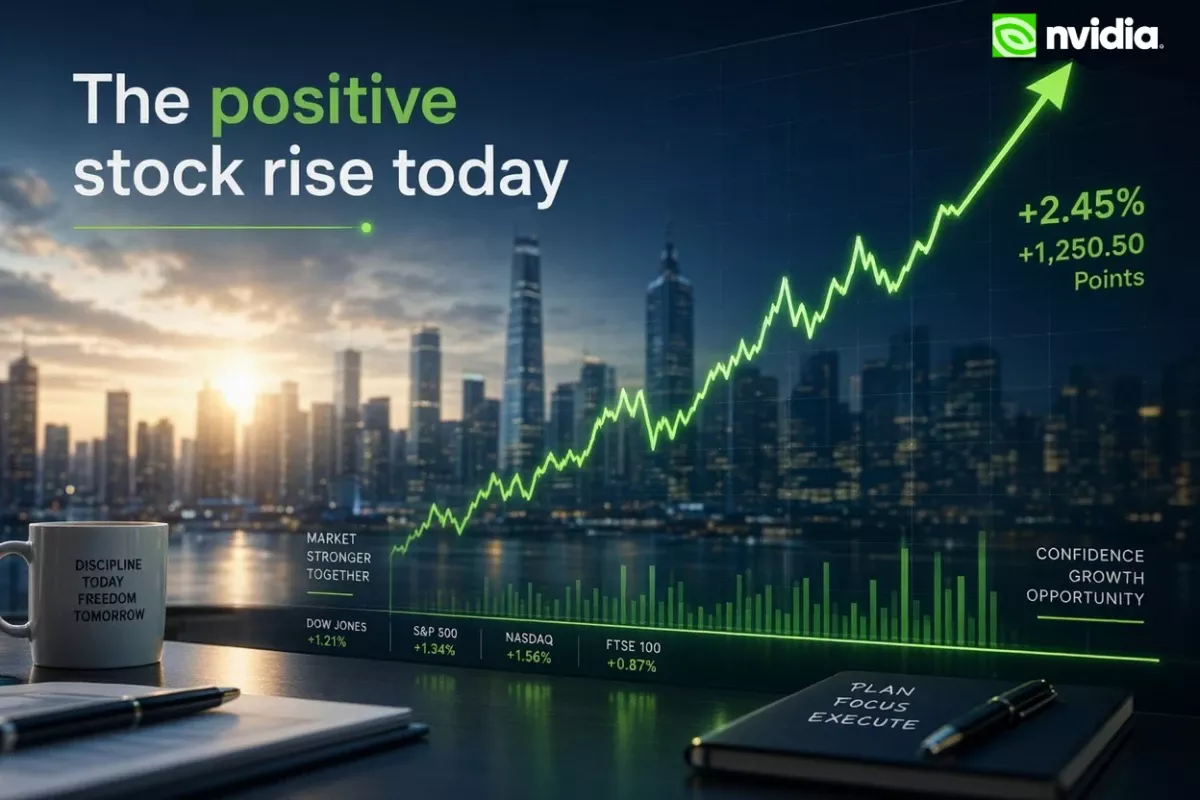
The move instantly ignited a historic rally on Wall Street. Nvidia shares surged more than 31 percent on Monday, adding roughly $1 trillion in market value in a single trading session and lifting the broader Nasdaq Composite and S&P 500 to their strongest daily gains since April 2025. Yet even as traders cheered the return of the artificial intelligence industry's most influential leader, the episode has left behind profound questions about "key-person" market risk, U.S. export enforcement, and the independence of corporate boards under political pressure.
A $2 Trillion Whipsaw on Wall Street
Few executives in modern capitalism have become as synonymous with an entire market sector as Jensen Huang. Under his leadership, Nvidia grew from a graphics-chip startup into the indispensable engine of the global AI boom, briefly touching a $5.8 trillion valuation in October 2026.
That dominance proved to be a double-edged sword when Huang stepped down around November 12 following revelations of extramarital affairs and workplace policy violations. Combined with jitters over stricter AI regulation following the November 4 U.S. midterm elections and unconfirmed reports of an SEC accounting inquiry, Huang’s departure triggered a brutal selloff. By Friday, November 20, Nvidia had lost nearly half of its peak market value—erasing more than $2 trillion—even though the company posted over $116 billion in quarterly revenue during his brief absence.
For institutional investors, strong quarterly earnings could not offset the sudden loss of Nvidia's chief architect and dealmaker. Monday's $1 trillion rebound underscored a stark reality for global equity markets: investors view Nvidia's long-term ecosystem and customer financing deals as inseparable from Huang himself.
National Security and the China Chip Loophole
Beyond Silicon Valley, Huang’s ouster and return sit at the center of an escalating geopolitical clash over advanced semiconductors.
Scrutiny intensified around Huang’s personal relationship with Alice Huang (also known as Alice Wong), a former executive at Singapore-based data center operator Megaspeed International. U.S. intelligence officials suspected her of maintaining ties to China’s Ministry of State Security. Megaspeed—a major buyer of Nvidia hardware—remains under criminal investigation over allegations that it diverted restricted AI chips and computing access to Chinese entities. While Singapore’s government denied conducting its own espionage investigation into Alice Huang, authorities barred her from re-entering the country in February 2026 over inaccurate statements tied to a Megaspeed probe.
The controversy also cast a harsh spotlight on Washington's export-control regime. Critics noted that Jensen Huang had actively lobbied the White House to ease restrictions on advanced chips such as the H20 and H200. On November 16, while Huang was out of office, the U.S. Commerce Department moved to close a major regulatory gap by requiring federal licenses for overseas data centers renting remote AI compute capacity to Chinese firms. National security analysts have warned that the saga illustrates how foreign intelligence services target senior executives at critical technology firms, turning personal vulnerabilities into strategic risks.
Board Accountability and White House Intervention
Perhaps the most contentious fallout involves how Huang got his job back. Just six days before the reinstatement, on November 17, Nvidia Chairman Harvey C. Jones assured investors that the board had unanimously accepted Huang’s resignation and had no intention of bringing him back.
Behind the scenes, however, pressure mounted rapidly. A public petition calling for Huang’s return gathered more than 200,000 signatures—backed by prominent tech figures including Elon Musk—as Nvidia’s stock continued to slide. Over the weekend, direct intervention from Washington tipped the scales. President Donald Trump confirmed on Monday that he and Vice President JD Vance spoke directly with Nvidia’s board to offer federal assurances that Huang posed no national security threat and had committed no unlawful acts, declaring that he "made the deal" to restore the CEO.
Corporate governance experts and lawmakers swiftly condemned the reversal. In addition to the geopolitical questions, Huang had admitted to workplace relationships with two Nvidia subordinates—including a vice president—in violation of company conflict-of-interest rules. Critics, including Senator Elizabeth Warren, warned that the board's abrupt U-turn under White House influence and market panic sets a troubling precedent for executive accountability.
What Comes Next
To address governance and security concerns, Nvidia announced the creation of a special board committee dedicated to national security compliance. Still, the crisis is far from over. Huang is scheduled to appear for a transcribed interview before House committees on December 1, with a potential Senate hearing set for December 3—and even broader congressional investigations expected once Democrats assume control of Congress in January 2027.
For now, Wall Street has delivered its verdict: Nvidia without Jensen Huang was a risk the market refused to price in. Whether Washington and corporate governance watchdogs accept the terms of his return remains an open question.
Reward this post with your reaction or TipDrop:
 Like
0
 Dislike
0
 Love
0
 Funny
0
 TipDrop
0
 Sad
0
 Angry
0

The world's messenger for trends, lifestyle, news, issues, and ideas. Parrot is an independent media and information profile dedicated to informing, educating, and engaging audiences on the issues that matter most. From global affairs and politics to business, technology, society, culture, health, and the environment, Parrot delivers timely updates, insightful analysis, and diverse perspectives from around the world. Our mission is to amplify important voices, promote informed discussions, and help people stay connected to the events shaping our present and future.














Comments (0)