


U.S. Strike on Venezuela: Maduro Captured, Trump Discusses Oil Control and Sends Signals to Other Nations
U.S. strike on Venezuela captures Maduro, sparks global shock, raises questions over Trump’s unclear plans, oil control, and warnings to other nations. Comment and consider supporting us with TipDrop. Thank You!
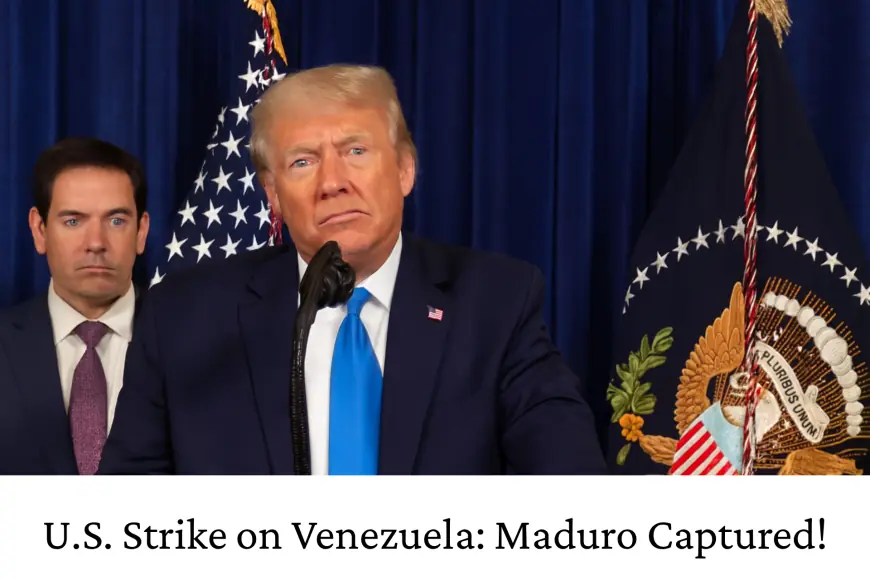


The United States carried out a sweeping overnight military strike on Venezuela early Saturday, capturing President Nicolás Maduro and his wife in an operation that has stunned governments around the world and raised urgent questions about Washington’s intentions. President Donald Trump confirmed the action hours later, declaring that the U.S. would temporarily “run” Venezuela until a transition of power can be arranged.
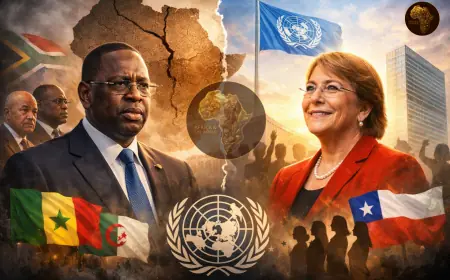
As we published earlier: Africa, wake up.
A Dramatic Capture and an Uncertain Transition
In a statement posted to social media, Trump said Maduro and his wife had been “captured and flown out of the country,” calling the operation a success and promising further details at a press conference later in the day. At that briefing, the president went further, announcing that the United States would effectively govern Venezuela “until such time as a safe, proper and judicious transition can take place”.
The status of Venezuelan Vice President Delcy Rodríguez remains unclear. Trump claimed she had been sworn in as interim president, but Rodríguez has not appeared publicly since the strikes, and independent confirmation of her whereabouts has not been established.
Opposition leader María Corina Machado called the moment “the hour of freedom,” though the political landscape remains fluid and volatile.
Oil, Power, and the Question of U.S. Intent
Trump’s remarks have intensified scrutiny of Washington’s motives. Venezuela holds the world’s largest proven oil reserves, and the president has openly discussed the role of U.S. energy companies in rebuilding—and profiting from—the country’s oil infrastructure. While he has not laid out a formal plan, Trump has repeatedly suggested that American firms will play a central role in Venezuela’s economic future.
Critics in Congress, particularly among Democrats, have condemned the strike as unauthorized and potentially illegal, comparing it to past U.S. interventions that spiraled into long-term entanglements. Legal scholars are already debating whether the operation constitutes an act of war undertaken without congressional approval.
Warnings to Other Nations Add to Confusion
Compounding the uncertainty, Trump has issued a series of warnings to foreign governments in recent days, including Hamas and Iran, signaling a broader posture of confrontation. In a separate appearance earlier this week, he said there would be “hell to pay” if Hamas failed to disarm, and he has hinted that other nations should view the Venezuela operation as a message about U.S. resolve.
These overlapping statements have left analysts struggling to discern a coherent strategy. Some see a deliberate show of force aimed at reasserting American dominance; others view the messaging as improvised and potentially destabilizing.
A Region on Edge
Latin American governments have reacted with alarm, with several calling emergency meetings to assess the implications of a U.S.-led transition in Venezuela. Global markets responded with volatility, particularly in the energy sector, as traders attempted to gauge how U.S. control of Venezuelan oil production might reshape supply dynamics.
Inside Venezuela, the situation remains tense. Soldiers have been photographed guarding government buildings amid smoke and debris, and communications from Caracas have been sporadic.
What Comes Next
For now, the United States appears to be positioning itself as the de facto authority in Venezuela, though Trump has offered few specifics about governance, timelines, or international coordination. His warnings to other nations—and the lack of a clear roadmap—have only deepened concerns about the potential for broader regional or global escalation.
As the world watches, one thing is clear: the strike on Venezuela marks one of the most consequential and controversial foreign policy decisions of Trump’s presidency, and its ripple effects are only beginning to unfold.
Let’s Be Partners
- We offer a wide range of professional virtual assistance services, including business writing.
- We also connect people with reliable African spiritual doctors and natural‑remedy healers for life’s challenges, all through the secure Dfecho Workspace with its integrated DIP Payment system.
- We are open to sponsorships, mentions, and backlinks in our articles.
- Contact us anytime or request an obligation‑free quote.
- Transact with us as a Vetted Pro on Dfecho.
Follow. Like. Comment anonymously — we’d love to hear from you. And if you love this post and want to show your support, we’d appreciate your TipDrop—whether publicly in the comment section, or through our TipDrop Page. Thank You!

Reward this post with your reaction or TipDrop:
 Like
0
Like
0
 Dislike
0
Dislike
0
 Love
0
Love
0
 Funny
0
Funny
0
 TipDrop
0
TipDrop
0
 Sad
0
Sad
0
 Angry
0
Angry
0

Africa & The World: A space for a panoramic view of the African continent and beyond—because Africa’s story is inseparable from the world’s story. Our mission is to inform, inspire, and engage, while correcting misrepresentations and highlighting Africa’s impact on the global stage. We spotlight the continent’s diverse voices, cultures, politics, innovations, alliances, and everyday life, bringing authentic perspectives to the forefront of global conversations.











Comments (0)