


Escalation of the War on Iran and Its Impact on Africa.
Escalation of the Iran war disrupts Africa’s trade, fuels inflation, and worsens food security, highlighting global conflict ripple effects. Comment and consider supporting us with TipDrop. Thank You!


The intensification of the war involving Iran has far-reaching consequences beyond the Middle East. Africa, though geographically distant, is experiencing significant economic, political, and humanitarian impacts as the conflict escalates. This article explores how the war is reshaping Africa’s trade, security, and development landscape.
Background of the Iran War
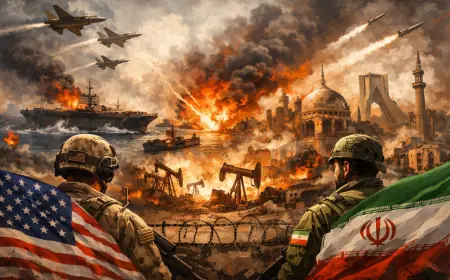
The war on Iran has escalated in 2026, with naval blockades, regional proxy conflicts, and diplomatic deadlock. The United States and its allies have tightened restrictions on Iran’s maritime trade, while Iran has threatened to extend blockades to the Red Sea and Sea of Oman. These developments have global repercussions, particularly for Africa, which relies heavily on international trade routes and imports.
Economic Impacts on Africa
Oil and Energy Prices
- Africa imports a significant portion of its fuel. Disruptions in the Strait of Hormuz and potential blockades in the Red Sea have driven up oil prices.
- Countries like Kenya, South Africa, and Nigeria are experiencing higher fuel costs, which directly affect transportation and industry.
Food Security
- Rising shipping costs and fertilizer shortages are worsening food insecurity in the Horn of Africa and the Sahel.
- Inflation is hitting vulnerable populations hardest, making basic goods unaffordable.
Trade Disruptions
- African exports such as coffee, cocoa, and minerals face delays due to rerouted shipping.
- East African ports like Djibouti and Mombasa are at risk if the Red Sea blockade materializes.
Security and Political Effects
Proxy Networks
- Iranian-backed groups, including Hezbollah, have expanded influence in West Africa.
- This raises concerns about terrorism and instability in regions already struggling with insurgencies.
Diplomatic Strains
- African governments are under pressure to align with global powers, balancing relations with the U.S., Israel, and Iran.
- This complicates foreign policy and risks compromising sovereignty.
Humanitarian Consequences
Inflation and rising costs of living are fueling protests in countries like South Africa. Refugees and displaced persons in Sudan and Chad face worsening conditions as aid delivery becomes more difficult. The UN has warned that the Iran war is exacerbating humanitarian crises globally, including in Africa.
UN’s Position on the War
The UN Secretary-General has condemned the escalation, urging respect for international law and navigation rights. Security Council Resolution 2817 (March 2026) demanded an end to Iran’s attacks on neighboring states and civilian areas. Humanitarian agencies highlight the war’s impact on Africa’s fragile economies and aid systems.
Key Takeaways
| Impact Area | Effect on Africa | Most Affected Regions |
|---|---|---|
| Oil & Fuel Prices | Rising costs due to disrupted trade | East Africa, North Africa |
| Food Security | Inflation, fertilizer shortages | Horn of Africa, Sahel |
| Security Threats | Proxy networks, terrorism risks | West Africa |
| Diplomacy | Pressure to align with global powers | Pan-African governments |
| Humanitarian Crisis | Inflation, protests, instability | Sub-Saharan Africa |
The Iran war is reshaping Africa
The escalation of the war on Iran is not confined to the Middle East—it is reshaping Africa’s economic and political landscape. Rising fuel and food prices, security threats, and humanitarian crises highlight the interconnectedness of global conflicts. Africa’s vulnerability underscores the urgent need for diplomatic solutions and international cooperation to mitigate the fallout.
FAQ on the 2026 U.S.–Iran War
When did the war start?
The war began in February 2026, when the United States and Israel launched Operation Epic Fury, targeting Iranian nuclear and military sites.
What triggered the conflict?
- Nuclear tensions: Iran’s nuclear program and refusal to comply with international restrictions.
- Regional influence: Iran’s support for militias in Lebanon, Syria, and Yemen.
- Strait of Hormuz crisis: Iran threatened shipping routes critical to global oil supply.
Who are the main participants?
- United States: Leading military operations, imposing a naval blockade.
- Iran: Responding with missile strikes and mobilizing regional proxies.
- Israel: Coordinated strikes with the U.S.
- Pakistan: Attempted mediation, hosting ceasefire talks.
What was Iran’s response?
- Iran retaliated with missile attacks on U.S. bases in Iraq and Gulf states.
- Expanded support for Hezbollah and Houthi rebels.
- Proposed a 10-point peace plan, rejected by the U.S.
Has there been a ceasefire?
On April 8, 2026, Pakistan mediated a two-week ceasefire. Talks collapsed, and the U.S. imposed a naval blockade on Iran. No long-term peace agreement has been reached.
What is the global impact?
- Oil prices surged, disrupting global markets.
- Shipping delays in the Strait of Hormuz.
- Heightened risk of regional escalation involving Saudi Arabia, Lebanon, and Yemen.
What is Operation Epic Fury?
A joint U.S.–Israel military campaign launched in February 2026. Targeted Iran’s nuclear facilities, missile bases, and command centers. Sparked the full-scale war.
What are the prospects for peace?
- Mediation attempts by Pakistan and other regional actors have failed.
- The U.S. insists on Iran halting nuclear development.
- Iran demands lifting sanctions and recognition of its regional role.
- The situation remains unstable and unresolved.
Key Takeaways
- The war is ongoing with no permanent ceasefire.
- Energy markets and global trade are heavily affected.
- Proxy conflicts in Lebanon, Syria, and Yemen are intensifying.
- Diplomatic efforts have stalled, leaving the region volatile.
.
Let’s Be Partners
- We offer a wide range of professional virtual assistance services, including business writing.
- We also connect people with reliable African spiritual doctors and natural‑remedy healers for life’s challenges, all through the secure Dfecho Workspace with its integrated DIP Payment system.
- We are open to sponsorships, mentions, and backlinks in our articles.
- Contact us anytime or request an obligation‑free quote.
- Transact with us as a Vetted Pro on Dfecho.
Follow. Like. Comment anonymously — we’d love to hear from you. And if you love this post and want to show your support, we’d appreciate your TipDrop—whether publicly in the comment section, or through our TipDrop Page. Thank You!

Reward this post with your reaction or TipDrop:
 Like
0
Like
0
 Dislike
0
Dislike
0
 Love
0
Love
0
 Funny
0
Funny
0
 TipDrop
0
TipDrop
0
 Sad
0
Sad
0
 Angry
0
Angry
0
Africa & The World: A space for a panoramic view of the African continent and beyond—because Africa’s story is inseparable from the world’s story. Our mission is to inform, inspire, and engage, while correcting misrepresentations and highlighting Africa’s impact on the global stage. We spotlight the continent’s diverse voices, cultures, politics, innovations, alliances, and everyday life, bringing authentic perspectives to the forefront of global conversations.












Comments (0)