



How Can Better Heating Controls Improve Boiler Installation in Richmond upon Thames in 2027?
Discover how thermostats, smart controls and radiator valves can improve a new boiler installation in Richmond upon Thames in 2027.

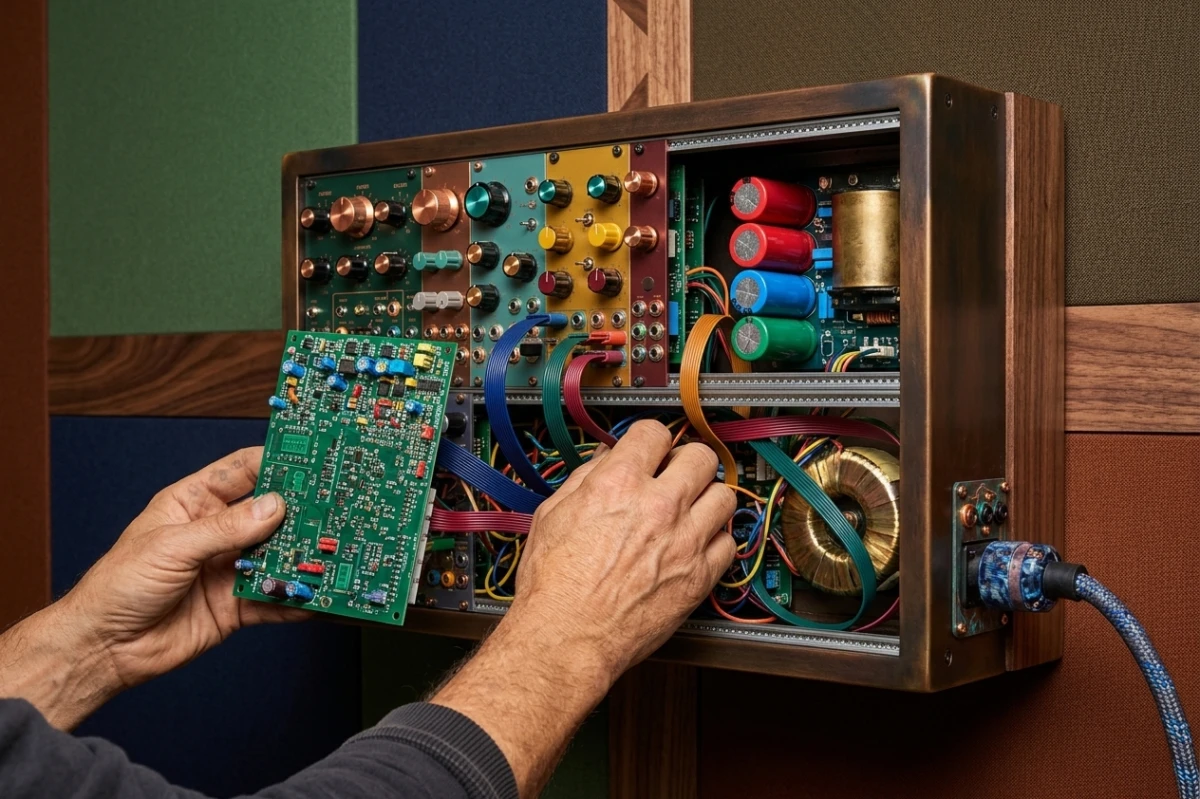


Choosing a replacement boiler is an important decision, but the appliance is only one part of your home's heating setup. The controls connected to it also influence how comfortably and conveniently you can manage indoor temperatures. An unsuitable thermostat or poorly planned heating schedule can make an otherwise good system less practical for everyday use.
A boiler replacement gives homeowners an opportunity to review their existing controls and decide whether they still meet household requirements. When considering Boiler Installation in Richmond upon Thames, it is worth discussing thermostats, timers and radiator controls before the installation specification is finalised.
Review Your Current Heating Routine First
Before deciding which controls to install, consider how heating is used throughout your home. Your current schedule may have been created years ago and might no longer reflect the way the property is occupied.
For example, a household with someone working from home may need a different heating pattern from one where everyone leaves early in the morning. Similarly, rooms used occasionally may not need the same heating schedule as regularly occupied areas.
Think about the times when heating is genuinely required, which rooms are used most frequently and whether the existing timer makes adjustments difficult.
Sharing this information with the installer can help establish which controls would be useful. It also avoids paying for features that may add complexity without providing a practical benefit.
Choosing a Suitable Thermostat
A thermostat monitors the temperature in a particular area and communicates with the heating system to help maintain the selected setting. Its placement can influence how accurately it represents the conditions in your home.
A thermostat positioned beside a radiator, near a draught or in direct sunlight may experience temperatures that do not reflect the rest of the room. As a result, the heating could switch off earlier or operate longer than expected.
During a replacement project, ask whether the existing thermostat location is appropriate. The installer can consider the room layout and the manufacturer's recommendations when deciding where the control should be positioned.
You should also check whether the proposed thermostat is compatible with the new boiler and whether it supports the functions you expect to use.
Are Connected Heating Controls Right for Your Lifestyle?
Smart heating controls provide additional ways to manage your heating, often through a mobile application. Depending on the product, you may be able to change temperatures remotely, adjust schedules or view information about heating operation.
These features can be convenient for people whose daily routines are unpredictable. Someone who regularly returns home at different times may find remote scheduling easier than changing a traditional timer.
However, connected technology is not essential for every household. A straightforward programmable thermostat may provide everything required without the additional setup.
Before choosing a smart system, check its compatibility with the boiler, internet requirements and any ongoing charges associated with its features. Ask whether installation, configuration and a demonstration are included in the quoted price.
Managing Temperature Across Different Rooms
Heating requirements can vary from one room to another. A bedroom may be used mainly at night, while a living room is occupied for much of the evening. Applying exactly the same temperature setting throughout the property may not suit every household.
Thermostatic radiator valves, commonly known as TRVs, allow individual radiator settings to be adjusted. They can help manage temperatures in different areas without requiring a completely separate heating system for each room.
Some properties may also benefit from heating zones, where different sections of the home operate using separate controls and schedules.
The right arrangement depends on the existing pipework, system design and the type of boiler being installed. Ask the installer whether your current heating circuit can support the proposed controls or whether additional components and alterations would be needed.
Check the Equipment Before Buying New Controls
It can be tempting to purchase a new thermostat or smart controller independently, particularly when a particular product offers attractive features. However, not every control system works with every boiler.
Manufacturers use different communication methods and connection requirements. A controller that is suitable for one appliance may not support the same functions with another model.
Before purchasing additional equipment, provide the installer with its product details and ask for confirmation of compatibility. Find out whether the system requires extra wiring, a receiver or another accessory.
Also establish exactly what the installation quotation includes. A thermostat may be supplied with the boiler, while advanced controls or additional radiator valves could be priced separately.
A clear specification helps prevent confusion about which equipment will be fitted and what the final system will be able to do.
Should Existing Radiator Valves Be Replaced?
A boiler replacement is a convenient time to review the condition of the existing radiator controls. Older valves may be stiff, damaged or difficult to adjust, while others may still be perfectly suitable for continued use.
Ask the installer to inspect the accessible components and explain whether replacements are necessary. There is no need to change every valve simply because a new boiler is being fitted.
Where an upgraded control arrangement is planned, check that the individual components are suitable for the overall system. The goal should be consistent operation and practical temperature management rather than adding equipment without a clear reason.
Understanding the Controls After Installation
Once the boiler and its controls have been fitted, make sure you understand how to operate the complete setup.
Ask the installer to demonstrate the main functions, including changing the temperature, setting heating times and selecting different operating modes. Where a smart application is provided, request guidance on pairing the controller and managing its basic features.
You should also understand what happens when the thermostat reaches the selected temperature and how the heating responds to scheduled settings.
Keep the manufacturer's instructions and control documentation somewhere accessible. These details can help if you need to change your routine or troubleshoot a simple settings issue later.
Do not attempt to alter internal boiler settings or electrical connections yourself. Any technical adjustments should be handled by an appropriately qualified professional.
What to Compare Before Booking an Installation
When reviewing quotations, look beyond the boiler's model and advertised output. Check which controls are included, whether an existing thermostat will be reused and what additional installation work may be required.
A useful quotation should explain the appliance, control equipment, labour and any optional upgrades separately. This allows you to compare providers without overlooking important differences in the proposed system.
When arranging Boiler Installation in Richmond upon Thames, explain your household's heating habits and ask which control arrangement would suit the property. Confirm that your postcode is covered and agree on the installation scope before booking.
Gas installation work must be carried out by an appropriately qualified Gas Safe registered engineer. Before the job is completed, make sure the system has been commissioned correctly and that you know how to use the controls.
Frequently Asked Questions
Can I keep my existing thermostat with a new boiler?
Possibly. Its condition and compatibility with the replacement appliance should be checked before deciding.
Do smart thermostats require an internet connection?
Some smart features require internet access, although the exact requirements depend on the product and manufacturer.
Are thermostatic radiator valves useful?
They allow individual radiator settings to be adjusted and can help manage temperatures in different rooms.
Can heating controls be upgraded during boiler installation?
Yes. Discuss the available options with the installer and confirm whether any additional wiring or components will be needed.
Will the installer explain how to use the new controls?
Ask for a demonstration during handover so you understand the temperature settings, schedules and available operating modes.
Reward this post with your reaction or TipDrop:
 Like
0
 Dislike
0
 Love
0
 Funny
0
 TipDrop
0
 Sad
0
 Angry
0















Comments (0)