



Sea Freight Shipping: The Foundation of Global Trade and Logistics
Sea freight shipping enables cost-effective transportation of large cargo volumes across global trade lanes. We coordinate vessel bookings, port handling, and inland connections to ensure efficient movement. This method supports long-distance commerce with predictable schedules, scalable capacity, and reduced per-unit transportation costs.
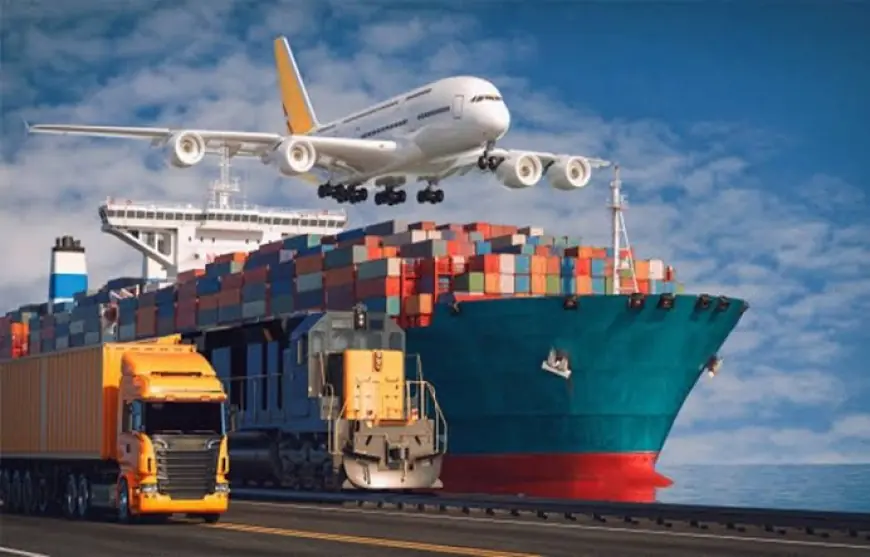


We define sea freight shipping as the most powerful and cost-efficient logistics solution supporting international commerce at scale. As global supply chains expand across continents, maritime transport remains the primary method for moving vast quantities of goods efficiently, reliably, and sustainably. From raw materials to finished consumer products, sea freight underpins global trade by offering unmatched capacity, competitive pricing, and extensive global reach.
In an era of complex logistics requirements, we rely on sea freight services to deliver stability, scalability, and strategic flexibility for businesses operating in international markets. This comprehensive guide outlines the full scope of sea freight shipping, highlighting its operational advantages, service types, industry applications, and evolving role in modern logistics.
Understanding Sea Freight and Maritime Transport
Sea freight refers to the transportation of goods via ocean-going vessels operating on international and domestic shipping routes. We consider this mode of transport essential for bulk cargo, containerized shipments, and oversized goods that require reliable long-distance movement.
Maritime transport is structured around a highly coordinated network of:
-
Global shipping lanes
-
Major seaports and terminals
-
Intermodal connections
-
Customs and regulatory frameworks
This infrastructure allows sea freight shipping to support predictable transit schedules while accommodating diverse cargo requirements across industries.
Types of Sea Freight Shipping Services
Full Container Load (FCL) Shipping
FCL sea freight services allocate an entire container to a single shipper. We use this option for high-volume shipments that demand enhanced security, faster handling, and reduced risk of cross-contamination.
Less Than Container Load (LCL) Shipping
LCL sea freight consolidates shipments from multiple shippers into one container. This solution offers cost efficiency for smaller cargo volumes while maintaining access to global maritime routes.
Bulk and Breakbulk Shipping
For commodities such as grains, minerals, steel, and heavy machinery, bulk sea freight shipping provides tailored vessel configurations. We rely on breakbulk services for non-containerized cargo that requires specialized loading and unloading processes.
Roll-On/Roll-Off (RoRo) Services
RoRo vessels transport wheeled cargo such as vehicles, trailers, and construction equipment. These sea freight services ensure efficient handling and reduced port dwell time.
Key Advantages of Sea Freight Shipping
Cost Efficiency at Scale
We recognize sea freight shipping as the most economical option for transporting large volumes of goods. Lower fuel costs per unit and high vessel capacity result in competitive freight rates for international trade.
High Cargo Capacity
Ocean vessels can carry thousands of containers in a single voyage. This unmatched capacity enables industries to move bulk goods and large consignments without logistical bottlenecks.
Global Network Coverage
With access to virtually every major market, sea freight connects manufacturers, suppliers, and consumers across continents. Strategic port networks support seamless international distribution.
Environmental Efficiency
Compared to air transport, sea freight services generate significantly lower emissions per ton of cargo. We view maritime shipping as a critical component of sustainable logistics strategies.
Industries That Rely on Sea Freight Services
Manufacturing and Industrial Supply Chains
Raw materials, components, and finished goods move efficiently through sea freight shipping, supporting global manufacturing operations and long-term supply agreements.
Retail and Consumer Goods
We observe retailers relying on sea freight to transport apparel, electronics, furniture, and household goods at competitive costs while maintaining predictable replenishment cycles.
Energy and Natural Resources
Oil, gas, mining, and renewable energy sectors depend on specialized sea freight services for heavy equipment, project cargo, and bulk commodities.
Agriculture and Food Products
Grains, frozen foods, and packaged consumables benefit from temperature-controlled containers and scheduled maritime services that preserve quality and safety.
Operational Excellence in Sea Freight Shipping
Efficient sea freight shipping requires precise coordination across multiple operational stages. We emphasize the importance of standardized procedures and advanced logistics management systems to ensure smooth cargo flow.
Core operational elements include:
-
Container booking and documentation
-
Export and import customs clearance
-
Port handling and terminal operations
-
Inland transportation and last-mile delivery
Digital platforms and real-time tracking tools enhance transparency, allowing stakeholders to monitor shipments throughout the maritime journey.
Sea Freight Services and Intermodal Connectivity
We integrate sea freight services with road, rail, and inland waterway transport to create end-to-end logistics solutions. Intermodal connectivity minimizes handling, reduces transit times, and optimizes overall supply chain efficiency.
This integrated approach supports:
-
Door-to-door delivery
-
Reduced cargo damage
-
Streamlined customs processing
-
Improved inventory management
Intermodal logistics strengthens the reliability and scalability of sea freight shipping for global businesses.
Risk Management and Cargo Security
We prioritize cargo security in sea freight through robust risk management practices. Modern vessels and ports implement advanced surveillance systems, container sealing protocols, and compliance with international maritime regulations.
Insurance coverage, cargo inspections, and regulatory compliance further safeguard shipments against loss, damage, or delays. These measures reinforce confidence in sea freight services as a dependable logistics solution.
Sustainability and Innovation in Sea Freight Shipping
The maritime industry continues to advance sustainability initiatives. We see significant investment in:
-
Fuel-efficient vessel design
-
Alternative marine fuels
-
Emission reduction technologies
-
Digital route optimization
Innovations such as smart containers, blockchain-based documentation, and automated ports are transforming sea freight shipping into a more transparent, efficient, and environmentally responsible system.
Sea Freight and the Future of Global Trade
We anticipate continued growth in sea freight driven by expanding international trade, infrastructure investment, and supply chain diversification. As businesses seek cost stability and long-term scalability, maritime transport remains the preferred solution for high-volume logistics.
Emerging markets, port modernization, and digital integration will further strengthen the strategic role of sea freight services in global commerce.
Selecting the Right Sea Freight Shipping Partner
We recommend evaluating sea freight services based on reliability, network coverage, compliance expertise, and operational transparency. A strong logistics partner delivers:
-
Consistent sailing schedules
-
Competitive freight rates
-
End-to-end visibility
-
Proactive customer support
Strategic partnerships enable businesses to optimize shipping performance while maintaining resilience in dynamic market conditions.
Conclusion: Sea Freight Shipping as a Strategic Advantage
We position sea freight shipping as the cornerstone of efficient, scalable, and sustainable global logistics. Its capacity, cost advantages, and worldwide reach make sea freight indispensable for businesses seeking long-term growth and operational excellence. By leveraging advanced sea freight services, organizations can strengthen supply chains, control costs, and compete effectively in international markets.
Reward this post with your reaction or TipDrop:
 Like
0
Like
0
 Dislike
0
Dislike
0
 Love
0
Love
0
 Funny
0
Funny
0
 TipDrop
0
TipDrop
0
 Sad
0
Sad
0
 Angry
0
Angry
0
Fast, reliable, and secure cargo solutions that connect your business to the world. We are Do Cargo global At Stock Stream Global, we believe cargo is not just about transportation — it’s about Trust, Time, and reliability.













Comments (0)